
Introduction: The Growing Relevance of Sustainable Wealth Management
Sustainable wealth management has become essential for anyone serious about financial well-being. Investors today face rapid market shifts, global volatility, and technological transformation. Gone are the days when building wealth merely meant collecting assets—the modern investor needs to look beyond short-term wins and instead adopt strategies that protect, grow, and sustain value. Sustainable wealth management focuses on this new reality: safeguarding assets, balancing growth with risk, and making choices that align with long-term goals and positive social impact. This approach enables investors to cultivate wealth that lasts for generations, even as economic and regulatory environments keep evolving.
Defining Sustainable Wealth Management
Sustainable wealth management means more than simply managing money. At its core, it is about integrating traditional portfolio management—like asset allocation, diversification, and tax efficiency—with a forward-looking perspective on environmental, social, and governance (ESG) factors. Investors who prioritize sustainability aren’t sacrificing returns for principles; instead, they position themselves for robust, risk-adjusted growth. By weaving sustainable principles into their decision-making, investors can avoid pitfalls tied to regulatory change or market disruptions, and feel confident that their portfolios are built for the future. The main elements include disciplined diversification, ESG-integrated analysis, risk management, and ongoing education.
Why Sustainable Wealth Management Matters More Than Ever
The need for sustainable wealth management grows every year. Global markets have become interconnected, and economic headwinds—like inflation, technological disruption, and climate risk—challenge even the most experienced investors. At the same time, regulators and clients expect greater transparency and social responsibility. Sustainable wealth management gives investors mechanisms to address these issues by combining disciplined financial practices with strong ESG integration. Long-term sustainability becomes the foundation of wealth, allowing portfolios to weather storms and adapt to new conditions. Individuals and institutions alike recognize that value creation now relies not just on financial metrics, but on a broader understanding of sustainability in all its forms.
Core Principles and Best Practices
Every sustainable wealth management strategy centers on several core principles: diversification, disciplined rebalancing, risk awareness, and purposeful asset selection. First, diversification spreads investments across multiple asset types—like equities, bonds, real estate, and alternatives—to reduce risk. No single asset should dominate. Second, disciplined portfolio rebalancing ensures allocations stay aligned with goals as markets move. This habit controls risk and takes advantage of long-term trends. Third, risk awareness is continuous. Investors measure risks not only by market volatility but also by assessing exposure to climate, governance, or regulatory shifts. Finally, purposeful asset selection means favoring investments that pass ESG screens and support resilient sectors. Using these best practices, investors can create flexible, future-ready portfolios that thrive over time.
Integrating ESG Considerations Effectively
ESG integration defines sustainable wealth management. Investors now look past traditional financial data and examine how a company or fund treats the environment, people, and decision-making. For example, assets in clean technology, renewable energy, or firms with diverse leadership offer long-term value and innovation potential. Screening out investments exposed to environmental harm, social controversy, or governance failures is essential in today’s world. ESG research services and global data providers enable investors to review and monitor such factors. Regularly updating these criteria and engaging directly with companies further enhances the portfolio’s alignment with sustainability goals—and reduces potential risks tied to reputational or regulatory shifts.
Technological Innovation Drives Sustainable Wealth Management
Technology revolutionizes sustainable wealth management in several ways. Artificial intelligence and machine learning help investors sift through massive data, spotting risks and opportunities quickly. Digital wealth management platforms, also known as robo-advisors, give individuals low-cost and automated portfolio solutions that include ESG options by default. Blockchain technology promises greater transparency and security in record keeping, asset custody, and even trading. Open banking APIs connect all financial data—loans, savings, investments—into one view, improving insight and agility. As wealth management technology continues to evolve, those who embrace innovation enjoy smarter, more efficient, and more responsive strategies. Meanwhile, laggards risk higher costs, less insight, and falling behind market trends.
Tax Efficiency within a Sustainable Framework
No sustainable wealth management strategy is complete without tax planning. Thoughtful asset location—placing income-generating assets in tax-advantaged accounts—improves after-tax returns. Wealth managers help clients use tax credits or incentives for green investments, like renewable energy funds or energy-efficient real estate. Charitable giving, when incorporated into a portfolio, may also provide both social impact and tax relief. Tax efficiency must align with the broader goal: supporting long-term growth while minimizing costs and maximizing value for current and future generations. Regular review of tax law changes and prompt adaptation is critical, especially as governments introduce incentives or penalties related to sustainability targets.
Managing Risks in Sustainable Wealth Management
Like any financial approach, sustainable wealth management faces diverse risks. Market volatility, changing regulations, model risks from reliance on automation, and even greenwashing—all demand proactive management. Market risks might stem from sudden global shocks or sectoral shifts, while regulatory risks grow as new disclosure requirements target ESG performance and cross-border flows. Investors must stay vigilant for misleading sustainability claims, as greenwashing can erode trust and damage portfolios. Building robust audit processes and regularly assessing portfolio risks are mandatory steps. Ongoing education about risks—and the tools to address them—are central to sustainable strategies. Adapting quickly to changes, staying informed about regulations, and working with reputable advisors keep risks in check and confidence high.
Sustainable Wealth Management in Practice
What does sustainable wealth management look like in real life? It starts with clear goal-setting—defining both financial targets and ESG priorities. An investor may decide to emphasize environmental impact, avoid controversial industries, or seek out companies with strong governance. Next, they build diversified portfolios using stocks, bonds, real estate, and alternatives that fit those goals. Ongoing monitoring ensures the strategy stays relevant as circumstances change. Periodic reviews and rebalancing allow investors to adapt to new risks or regulations. For families, establishing succession plans and family governance frameworks ensures wealth preservation across generations. Institutions incorporate scenario analysis, advanced reporting, and active engagement with managers or companies. Everyone benefits from clear communication, shared values, and a commitment to improvement.
Opportunities Emerging from Sustainable Investing
Sustainable wealth management opens new doors for growth. The rise of green bonds, impact funds, and social investment vehicles means investors can access more options than ever. Sectors focused on renewable energy, healthcare innovation, and technological efficiency offer strong potential returns and positive societal impact. Private equity and venture capital spaces now feature sustainability-focused funds, while mainstream asset managers offer ESG products across asset classes. Early adopters often enjoy a competitive advantage by identifying untapped markets and responding faster to new regulations or consumer preferences. Collaborating through investment platforms and industry groups further enhances access to innovative products, data, and shared knowledge. Sustainable investing proves that financial performance and positive change can go hand in hand.
The Central Role of Education
Education stands at the heart of sustainable wealth management. Financial markets shift rapidly, and new products or regulations appear regularly. Investors who prioritize learning—whether through formal courses, digital tools, or trusted advisors—are better equipped to assess opportunities and risks. Financial literacy also supports critical thinking and decision-making. In family offices, passing on knowledge builds durable wealth and decision frameworks for future generations. Curious investors, willing to keep learning, adapt their strategies and avoid costly mistakes. Ultimately, education is the glue that ties together effective planning, responsible action, and long-term sustainability in wealth management.
The Future of Sustainable Wealth Management
Looking ahead, sustainable wealth management will remain a vital part of advanced personal finance. Regulatory standards will continue evolving, pushing all market participants to raise their ESG performance. Technology will grow even more capable, making individualized, data-driven investing accessible on a global scale. The profile of the modern investor will favor those willing to be flexible, prioritize learning, and align financial choices with a broader set of personal and societal goals. As these trends intensify, those who commit to sustainable strategies will lead—not just survive—future market cycles and disruptions.
Conclusion: Sustainability at the Core of Wealth Management
Sustainable wealth management forms the backbone of lasting financial health in an unpredictable world. By blending robust financial practices, ESG principles, and adaptive education, investors position themselves for success amid market, regulatory, and technological changes. Sustained growth and opportunity depend on proactive planning, disciplined execution, and a deep commitment to responsible investing. Explore more expert strategies and timely insights by visiting our Advanced Personal Finance section.
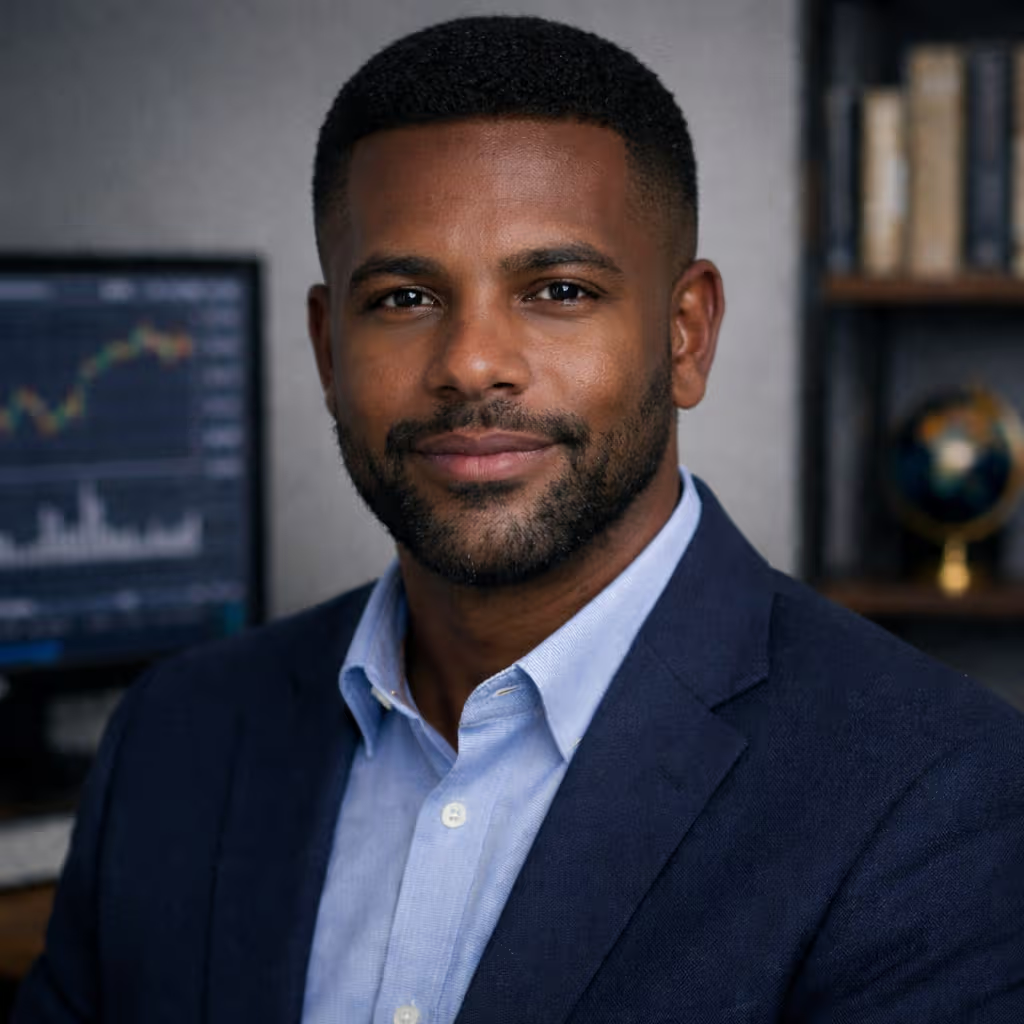
Daniel Moreira is a financial research writer focused on long-term capital structure, risk calibration, and disciplined wealth-building strategies. His work prioritizes analytical clarity over trend-driven narratives, examining how income stability, credit exposure, asset allocation, and macroeconomic cycles interact to shape sustainable financial outcomes. He writes with a structured, evidence-based approach designed to help readers build resilient financial systems rather than chase short-term market noise.