

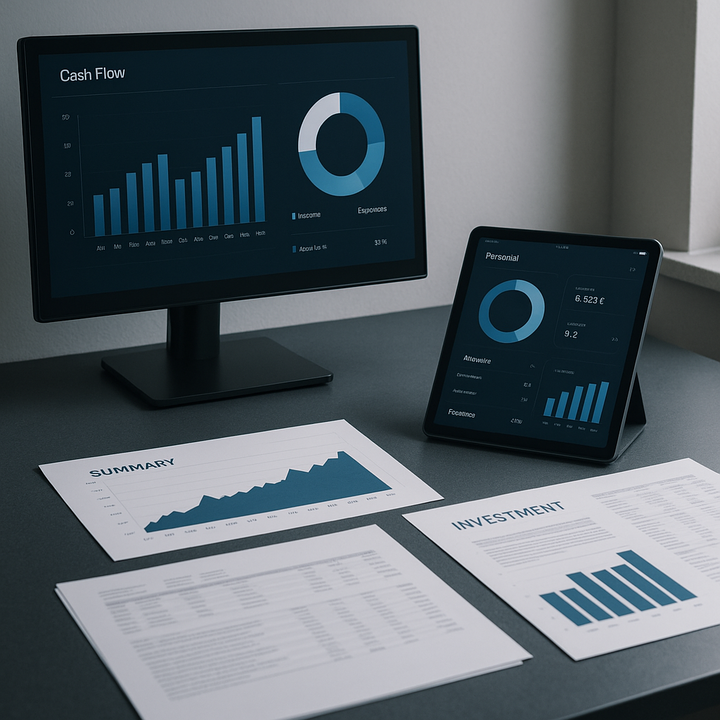
Introduction: The Strategic Importance of Optimizing Monthly Cash Flow
Optimizing monthly cash flow is a central theme in today’s advanced personal finance strategy. By focusing on monthly cash flow, you protect yourself from unexpected economic shifts. Moreover, you can identify timely investment opportunities as they arise. In an era marked by rising interest rates and unpredictable market cycles, a disciplined approach ensures capital is always available for high-yield investments. Therefore, investors who consistently optimize their cash flow enjoy greater flexibility and resilience.
Mastering cash flow optimization separates thriving investors from those just getting by. Whether you are a seasoned investor or advancing your personal finance goals, understanding monthly cash flow management is crucial. This knowledge supports long-term financial security and growth.
Understanding Monthly Cash Flow: Definitions and Essential Principles
Monthly cash flow measures the difference between all money earned and all expenses paid within a thirty-day span. This metric tracks active income such as salaries and business revenue. It also includes passive income like dividends, rental income, and interest. The calculation subtracts every fixed and variable expense, from housing and utilities to lifestyle spending. Therefore, optimizing monthly cash flow requires a clear view of both sides: maximizing inflows and scrutinizing outflows.
Maintaining positive cash flow each month gives you more than a budget. It provides a robust safety net. This net absorbs financial shocks, supports liquidity for short-term goals, and maintains your ability to pursue new opportunities. Monthly cash flow is not simply about spending less. Instead, it’s about aligning every expense and income stream with your broader financial objectives. This approach ensures you are prepared for both planned investments and unexpected scenarios.
Why It’s Critical to Optimize Monthly Cash Flow for Investors
Investors face cycles of risk and opportunity that require swift decision-making. If you optimize monthly cash flow, you ensure funds are available when lucrative investments emerge. For example, a sharp dip in the stock market or the sudden availability of a high-potential property can offer extraordinary returns. However, you can only participate if you have cash on hand.
Stabilized monthly cash flow also makes it possible to develop leverage strategies and create diversified portfolios. Cash flow optimization reduces costly borrowing, lowers penalty fees, and enables more tax-efficient investment allocation. On the other hand, ignoring cash flow can force the unwanted sale of long-term assets at suboptimal prices, reducing your gains. Therefore, modern investors must be ready to act quickly, and that readiness starts with optimizing monthly cash flow.
Key Strategies to Optimize Monthly Cash Flow
Track and Categorize Every Expense
Begin optimizing your cash flow by meticulously tracking all expenses. Use fintech apps or detailed spreadsheets to break down spending into essential categories. Regularly distinguish between fixed costs, like housing and insurance, and discretionary expenses, such as dining out or subscriptions. Capturing this granular detail allows for clear-sighted adjustments that boost your monthly cash flow.
Automate and Schedule Payments
Automate fixed payments to guarantee punctuality and avoid penalties. Align large discretionary expenses with months when income peaks, such as during bonus periods. Automation minimizes oversight errors and, furthermore, strategic scheduling optimizes cash outflows to match your income cycle.
Pay Yourself First
Adopt a pay-yourself-first philosophy by directing a set percentage of your monthly income into investments or emergency reserves. By prioritizing savings and investment contributions up front, you build disciplined wealth accumulation. Even modest, consistent monthly contributions compound surprisingly fast and optimize your cash flow by building reserves.
Leverage High-Yield Transactional Accounts
Maximize your cash’s utility by parking it in tiered savings or money market accounts. These instruments provide liquidity for daily transactions while typically yielding higher interest rates than checking accounts. When you routinely optimize monthly cash flow through strategic account selection, every dollar works harder for you.
Use Credit Lines Responsibly
Maintain access to credit as a buffer against liquidity crunches. However, avoid relying on credit to patch routine cash shortfalls. Responsible use of revolving credit preserves flexibility. Disciplined planning and regular review of your cash flow ensure that credit serves as a safety net instead of a crutch.
Modern Tools and Technologies for Cash Flow Optimization
Automated Budgeting Platforms
Leverage technology to optimize monthly cash flow with digital platforms that aggregate banking and investment data. Apps like YNAB and Mint, or custom spreadsheets, provide real-time analytics and uncover trends. They also forecast potential cash flow gaps. Automated systems enhance accuracy and save time. Therefore, it becomes easier to identify and resolve issues faster.
AI-Driven Analytics and Financial Dashboards
Artificial intelligence predicts spending patterns and flags anomalies. It also provides actionable recommendations. Sophisticated users utilize API-driven dashboards to simulate various cash flow scenarios with techniques like Monte Carlo simulation. These insights empower you to optimize monthly cash flow with high precision, adjusting proactively as conditions change.
Integration with Investment Portfolios
Many platforms now integrate cash flow management with investment accounts. This allows automated rebalancing and auto-allocation of excess cash to pre-set investment strategies. Open banking and embedded finance solutions streamline money movement and increase visibility across your portfolio. When you optimize monthly cash flow using integrated tech tools, rebalancing and capital deployment become seamless and efficient.
Expense Reduction Tactics to Optimize Monthly Cash Flow
Audit and Renegotiate Expenses
Conduct regular audits of subscriptions and service contracts. You may discover forgotten or undervalued services draining your cash. Renegotiate bills or switch providers to reduce costs. Utility, insurance, and telecom contracts often provide substantial savings after review.
Consolidate and Eliminate Waste
Simplify your monthly obligations by consolidating debt or subscriptions wherever logical. Eliminate duplicates and avoid “subscription creep.” This lean approach quickly optimizes monthly cash flow, freeing resources for more valuable uses.
Refinance and Utilize Dynamic Accounts
In home finance, refinancing mortgages or using offset accounts reduces borrowing costs without sacrificing liquidity. Dynamic accounts offset mortgage balances against cash reserves, effectively lowering interest payments. As a result, your monthly cash position strengthens.
Income Enhancement for Cash Flow Optimization
Diversify Income Streams
Expanding income sources can dramatically increase your ability to optimize monthly cash flow. For example, explore freelancing, part-time consulting, affiliate marketing, or digital asset investments. These extra streams can stabilize and multiply your surplus. Consequently, your overall cash flow becomes more robust.
Invest in High-Yield and Dividend Assets
Place surplus monthly cash into high-yield savings, dividend stocks, or income-generating ETFs. Automated investing platforms can programmatically reinvest dividends, which promotes compounding growth. These actions further optimize monthly cash flow by providing regular income and long-term appreciation.
Implement Dynamic Pricing or Monetization Models
For entrepreneurs and business owners, periodic product pricing adjustments in response to market trends can unlock recurring cash flow increases. Automation tools can facilitate regular billing, improve collections, and add stability to monthly income.
Risks and Opportunities in Optimizing Monthly Cash Flow
While optimizing monthly cash flow, you must consider both short-term and structural risks. Heavy reliance on variable income or long-term commitments without adequate reserves can destabilize your liquidity. A sudden loss of a key income stream or unexpected expenses can force asset sales or require additional debt.
By contrast, emerging technologies and innovative financial products provide expanded opportunities. Automated savings tools, crowdfunding investment platforms, and private market access for qualified investors are improving flexibility. The ability to compress idle capital and redirect excess cash into short-term, high-yield opportunities elevates your cash flow management beyond traditional boundaries.
Ultimately, continually re-evaluating both risks and opportunities enables you to adapt faster. Forward-looking investors consistently optimize monthly cash flow, ensuring every available resource is used to its maximum potential with minimal downtime.
Additional Practical Tips to Optimize Monthly Cash Flow
Embrace a Continuous Improvement Mindset
Monthly cash flow is never static. Economic environments, personal priorities, and life stages change over time. Therefore, make a habit of reviewing your income and expense patterns monthly. Small, regular improvements compound into major financial advantages. This is especially true when trends are identified and addressed proactively.
Enhance Financial Literacy
Broaden your understanding of financial concepts related to cash flow, such as tax efficiency, inflation protection, and the risks of over-leverage. A strong financial education sharpens your ability to optimize monthly cash flow. Enroll in courses, read industry resources, or consult professionals to build a toolkit for lasting financial growth.
Build an Adaptive, Digital-First Toolkit
Invest in easy-to-use digital tools that automate calculations, alert you to anomalies, and support rapid fund transfers. Look for features such as bill reminders, predictive expense analytics, and seamless integration with your investment accounts. The right digital ecosystem increases your agility and continually optimizes your monthly cash flow.
Conclusion: Smart Choices for Optimizing Monthly Cash Flow in 2024 and Beyond
The capacity to optimize monthly cash flow defines top performers in advanced personal finance. Investors and individuals who focus on disciplined expense reduction, income diversification, and technological adoption achieve not only protection but also sustainable growth in any market climate. Mastery in this area amplifies your ability to seize opportunities and buffer against risk. Therefore, you ensure lasting financial flexibility. For a deeper dive into practical methods and the latest strategies, explore our Advanced Personal Finance category.