

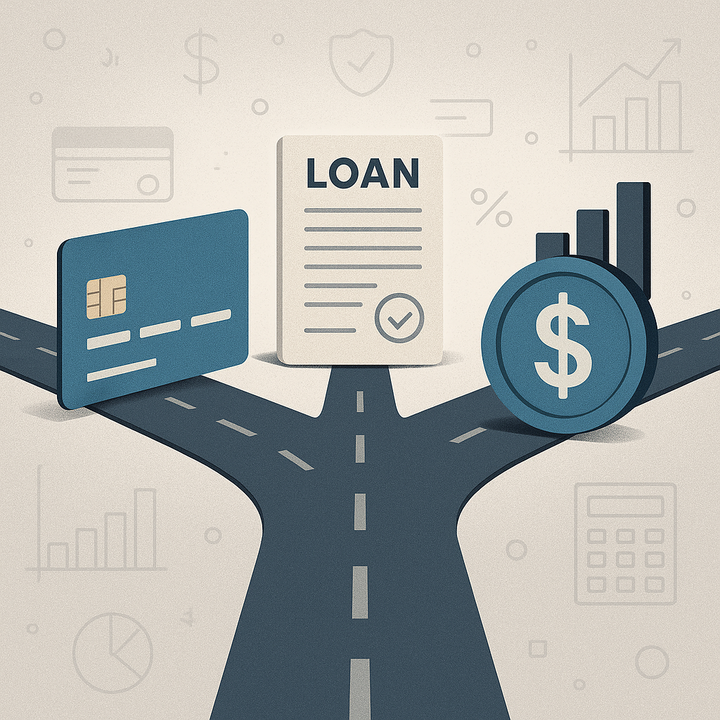
Introduction: Understanding Financial Education Credit Traps
Financial education credit traps have become a pressing topic as more consumers gain access to ever-more sophisticated credit products. From credit cards to instant loans and emerging buy-now-pay-later platforms, the opportunities—and risks—available to modern investors and savers are vast. Navigating this environment requires more than basic budgeting skills. Instead, investors and savers must possess the knowledge needed to distinguish between helpful credit and dangerous commitments. Mastering this begins with financial education, especially with an emphasis on credit traps and the ways they can undermine even well-constructed investment strategies.
In this article, we explore what financial education credit traps truly mean, how to spot them across the modern financial landscape, and practical strategies every investor or saver can apply to protect their interests. By building a solid foundation of financial literacy, individuals can avoid costly mistakes and unlock the path toward sustainable, long-term wealth growth.
What Are Financial Education Credit Traps?
Financial education credit traps are pitfalls within credit arrangements that can lock consumers into cycles of debt, gradually eroding net worth and financial flexibility. These traps are not always obvious. Frequently, they include complex interest rate structures, hidden or compounding fees, and aggressive loan terms that seem appealing upfront but deteriorate quickly under scrutiny. Examples are credit cards with fine print outlining severe late penalties, payday loans featuring triple-digit annual interest rates, or overdraft programs designed to charge fees repetitively instead of preventing negative balances.
The danger lies not only in the immediate costs but also in the long-term implications for saving and investing. For many, what begins as a small purchase or emergency loan becomes a recurring cycle of minimum payments, rising interest, and increasing anxiety over mounting obligations. Financial education is the key that enables people to recognize how these arrangements work, using informed analysis rather than hopeful assumptions or impulsive choices.
Identifying the Mechanics of Credit Traps
Recognizing financial education credit traps requires careful analysis of loan agreements and an understanding of lender motivations. Savvy investors and disciplined savers actively seek out the underlying costs of their financial products—most importantly, the annual percentage rate (APR), the schedule of late payment fees, the existence of balloon payments, and the details buried within lengthy contracts. High-interest introductory offers can disguise looming rate increases, while zero-interest promotions may include catch-up clauses that retroactively charge full interest if the balance is not cleared on time.
Financial literacy programs train consumers to examine the terms closely, identify red flags, and use scenario planning tools. These help model the worst-case outcomes if payments cannot be made as scheduled. Reading independent consumer reviews, comparing offers from multiple reputable institutions, and seeking transparent disclosures are practical habits for mitigating risk. Furthermore, ongoing education ensures that as new schemes appear—especially those enabled by fintech advances—investors and savers remain a step ahead.
Why Do Credit Traps Undermine Wealth Building?
The impact of financial education credit traps on wealth accumulation cannot be overstated. When a significant share of monthly cash flow is devoted to servicing high-interest debt, less is available for savings, portfolio diversification, or new investments. Over time, this creates a drag on net worth that compounds, making it harder for individuals to reach their financial goals. Psychological stress from chronic debt leads to risk aversion, reducing the willingness to pursue productive investments. For investors, using leverage sensibly can multiply gains, but becoming trapped by unmanageable credit obligations threatens this advantage.
In addition, poor credit management often results in lower credit scores. A damaged credit score raises borrowing costs further and restricts access to beneficial financial products, such as low-interest mortgages or preferred investment loans. Failure to plan for debt repayment can trigger forced asset sales, especially during market downturns, erasing years of savings in a matter of days. Thus, avoiding credit traps is not just a matter of frugality—it is essential for sustained financial growth and stability.
Strategies to Avoid Financial Education Credit Traps
Robust financial education is the foundation for avoiding credit traps. The most effective strategies combine practical analysis of credit products, rational forecasting of repayment abilities, and continuous financial monitoring. Here are key tactics investors and savers should employ:
- Careful Product Comparison: Always evaluate the actual cost of credit. This means reading all terms and conditions, calculating the effective annual rate, and examining amortization schedules. Do not be misled by seemingly low monthly payments.
- Scenario Planning: Use digital tools or spreadsheets to model how changes in income, interest rates, or unexpected expenses affect your ability to repay. Understand the consequences of late or missed payments for every credit product in your portfolio.
- Budgeting with a Credit Awareness Lens: Update your budget to account not just for monthly obligations, but also for the total cost of borrowing and any contingent fees. Always factor in the risk of variable interest rates or penalty clauses.
- Monitor Your Credit Health: Check your credit score and credit reports regularly. Spotting negative changes early gives you time to adjust your habits or seek advice before problems escalate.
- Seek Ongoing Financial Education: Subscribe to trusted resources and attend webinars or courses on changes in the lending landscape. Regulators and consumer protection agencies regularly release important updates that can affect product options and risks.
Common Credit Pitfalls for Consumers and Investors
Credit pitfalls often lurk in places that seem harmless at first. Introductory offers promising zero interest can convert to punitive rates retroactively if the full balance is not paid within a tight window. Personal loans might pad low interest rates with mandatory insurance or one-time activation fees, increasing the effective borrowing cost. Automated payment setups, while helpful for on-time payments, can hide incremental spending, making it easier for credit balances to spiral.
Some lenders target those with lower financial literacy using predatory structures. Payday loans, for example, can lead to a trap where fees quickly surpass the original loan principal. Rent-to-own schemes promise flexibility but almost always cost significantly more than outright purchases. Savvy investors analyze whether a credit source is aligned with their liquidity needs and long-term goals. If a loan or credit card could force an asset sale or block future investment, it is a sign that the product is too risky to justify the convenience offered.
The Role of Digital Tools in Managing Credit Risk
Technology has provided a wealth of resources that help users fight back against financial education credit traps. Today, leading budgeting apps and credit monitoring tools aggregate information from all accounts in real time. They highlight transaction fees, alert users to upcoming payment deadlines, and provide monthly insights into trends in credit usage. Additionally, artificial intelligence now powers credit simulators that identify spending patterns associated with increased debt risk, recommending course corrections before a problem becomes unmanageable.
Investors can take advantage of robo-advisors and portfolio management platforms that monitor both investment holdings and associated liabilities. These systems support holistic financial health, ensuring that debt management and investment strategies remain compatible. Open banking has further increased transparency, enabling more accurate product comparisons and democratized access to better financial advice. Still, it’s crucial to remain disciplined. The same digital advances that streamline borrowing can tempt users into frictionless credit acquisition, exposing them to faster debt accumulation. Financial education must shape a healthy, measured approach to using these digital resources, emphasizing the importance of knowledge over mere convenience.
Macroeconomic Factors and Evolving Credit Traps
Credit traps do not exist in a vacuum; they are influenced by larger economic forces. Changing interest rate environments, inflation, and shifting regulatory landscapes can suddenly alter the attractiveness or riskiness of credit products. A financial education that incorporates macroeconomic awareness is essential. For instance, borrowing at a fixed low rate may make sense today, but an adjustable-rate loan could double in cost if central banks hike rates unexpectedly.
Financially literate investors monitor economic trends, remain cautious about products that depend on favorable market conditions, and build buffer zones into their debt servicing plans. Scenario planning should account for possible job loss, asset value drops, or rising living costs. By adopting a broad-view approach to credit management, individuals can avoid panicked decisions during turbulence and preserve their wealth in both prosperous and challenging times.
Case Studies: Navigating Real-World Credit Traps
The value of financial education is best illustrated through real-life examples. Consider an investor who takes out a low-rate personal loan to invest in the stock market. Unexpected market volatility leads to a decline in portfolio value. Unable to meet loan payments from investment income, the individual faces forced liquidation and significant losses. A thorough understanding of loan terms and the use of scenario modeling could have prevented this situation.
Another example involves a saver enticed by credit cards promising rewards points for everyday purchases. By only making minimum payments, interest and fees quickly outweigh the value of any rewards earned. With financial education, the individual might have realized the hidden costs and adjusted spending habits accordingly or chosen a product better suited to their payment discipline.
The Power of Continuous Financial Education
The landscape of financial education credit traps is dynamic. As technology evolves and lenders discover new ways to structure credit products, only those who commit to ongoing learning can consistently defend themselves. This commitment includes following changes in national regulations, leveraging digital advances for greater transparency, and sharing best practices with peers and family members.
Community-based learning, such as joining local investment clubs or participating in financial webinars, increases exposure to alternative perspectives and common pitfalls. Furthermore, teaching financial education to the next generation protects families from repeating costly mistakes, establishing a legacy of prudent financial management. Ultimately, the key message is clear: neither wealth nor intelligence guarantees immunity from credit traps—continuous education is the true safeguard.
Conclusion: Mastering Financial Education Credit Traps
Mitigating the risks associated with financial education credit traps demands diligence, vigilance, and ongoing learning. Modern investors and savers must employ a mix of technical skills, digital tools, and scenario analysis to recognize and avoid pitfalls, ensuring their wealth stays on a sustainable path. With comprehensive financial education, individuals can balance opportunity and risk effectively, preserving their freedom to choose investments and lifestyle enhancements without succumbing to credit-related setbacks.
To delve deeper into the concepts and practical skills discussed here—or to explore the evolving world of personal finance—visit our Financial Education category. There, you’ll find resources, expert commentary, and up-to-date analysis to continue your journey towards financial empowerment.